
Handmade Potato Wafers: The Timeless Tradition of Sindhi Homes
- 9 hours ago
- 4 min read

In today’s world of factory-made snacks and mass production, some foods still carry the warmth of tradition. Handmade potato wafers, especially the Sindhi style of sun-dried chips, are one such treasure. They represent family effort and a process that has been followed for generations.
Long before packaged chips filled supermarket shelves, families prepared these wafers at home using simple ingredients and plenty of sunshine. Even today, their taste remains unmatched.
What Are Handmade Potato Wafers?
Handmade potato wafers are thin slices of fresh potatoes that are carefully processed, lightly cooked, and dried naturally in the sun before being stored and fried when needed.
Unlike commercial chips that are processed and sealed immediately, these wafers go through a slow traditional process. This is what gives them their unique texture, taste, and light crispiness when fried.
For many Sindhi families, making these wafers is not just cooking — it is a seasonal ritual.
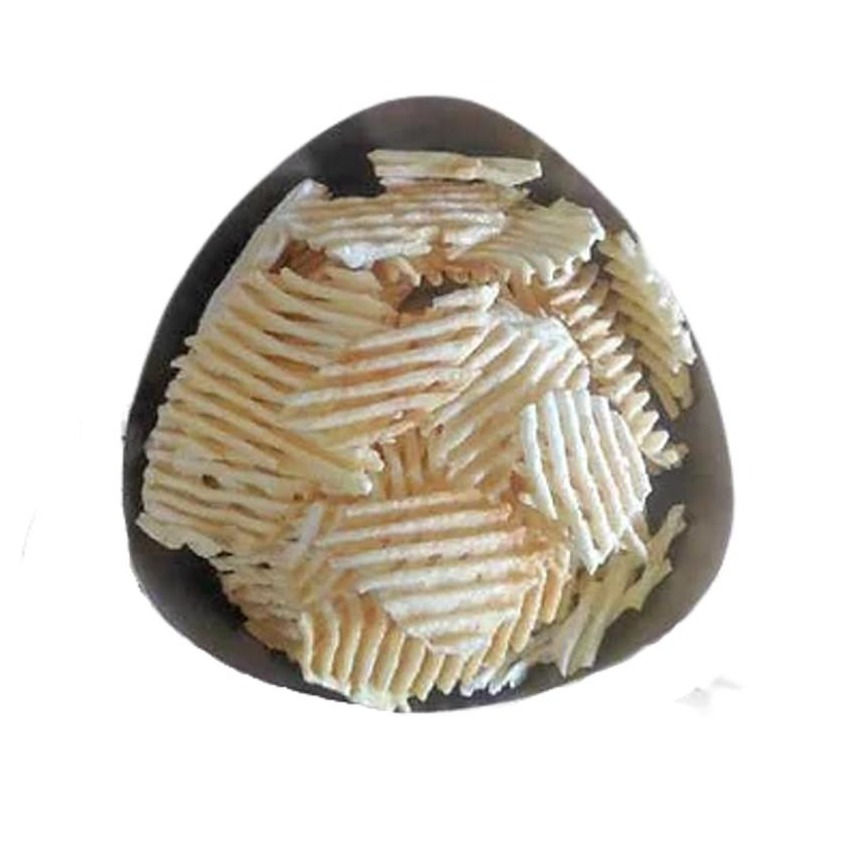
A Summer Ritual Passed Through Generations
Every year, as summer begins, households start preparing foods that can be stored for months. Among papad, pickles, and fryums, handmade potato wafers hold a special place.
The process usually begins early in the morning. Potatoes are peeled and sliced thin, then washed thoroughly to remove excess starch. After a quick boil in salted water, the slices are spread across large trays, cloth sheets, or bamboo mats.
Terraces, balconies, and open courtyards turn into drying spaces filled with rows of potato slices glistening in the sun.
Family members often participate together — turning the slices, protecting them from dust, and checking their progress throughout the day. By evening, the slices begin to firm up. After a day or two of sun drying, they transform into perfectly preserved wafers ready to be stored.

Why Sun Drying Makes Them Special
Sun drying is more than just a traditional method; it actually changes the character of the wafers.
Natural drying slowly removes moisture while maintaining the structure of the potato. When these wafers are later fried in hot oil, they puff slightly and develop a delicate crispness that factory-made chips rarely achieve.
This process also allows the natural flavour of the potato to shine through. With minimal ingredients, the taste remains clean, authentic, and satisfying.

The Difference Between Handmade and Factory Chips
There is a noticeable difference between handmade potato wafers and mass-produced chips.
Handmade wafers are usually
thicker and more rustic
naturally dried rather than dehydrated artificially
prepared in smaller batches
free from excessive processing
closer to traditional home cooking.
Factory chips may be uniform and convenient, but handmade wafers often carry a flavour and texture that remind people of homemade food and simpler times.
A Snack That Fits Every Meal
One of the reasons these wafers remain popular is their versatility. They can be served in many ways:
fried and eaten with dal and rice
served with curd rice or khichdi
enjoyed as a tea-time snack
added to festive meals
shared during family gatherings.
Their light crunch and familiar flavour make them appealing to people of all ages.
The Nostalgia Factor
For many people, handmade potato wafers are deeply connected to childhood memories. Summers spent helping elders slice potatoes, running to the terrace to check if the wafers had dried, and waiting eagerly for the first batch to be fried are experiences that stay for a lifetime.
Even today, when people taste these wafers, they often recall those moments of family bonding and tradition.
You can order Handmade Potato wafers here: https://www.picklevickle.com/product-page/premium-quality-handmade-potato-wafers-100g

Preserving a Culinary Heritage
As modern lifestyles become busier, traditional food practices sometimes fade away. However, there is also a growing appreciation for foods made the old way—slowly, carefully, and with attention to quality.
Handmade potato wafers represent that philosophy. They remind us that food does not always have to be complicated to be meaningful.
By continuing to make and share these wafers, families keep a small but important part of culinary heritage alive.
The Simple Joy of Handmade Food
At its heart, the beauty of handmade potato wafers lies in their simplicity. A few humble ingredients, the warmth of the sun, and a little patience are enough to create something truly enjoyable.
In a fast-moving world, foods like these offer a comforting reminder that some traditions are worth preserving—one slice, one sunny afternoon, and one crispy bite at a time.
Frequently Asked Questions About Handmade Potato Wafers
What are handmade potato wafers?
Handmade potato wafers are thin slices of fresh potatoes that are lightly processed and naturally dried before frying. Unlike factory-made chips, they are prepared in small batches using traditional methods, giving them a more authentic taste and texture.
Why are sun-dried potato wafers popular in Sindhi homes?
Sun-dried potato wafers are part of a long-standing summer tradition in many Sindhi households. Families prepare them in large quantities during sunny months so they can be stored and enjoyed throughout the year.
How are handmade potato wafers different from regular chips?
Handmade potato wafers are usually thicker, less processed, and naturally dried in the sun. This process gives them a unique crunch and flavour that is quite different from mass-produced chips.
How long can sun-dried potato wafers be stored?
If kept in an airtight container in a cool and dry place, sun-dried potato wafers can last for several months. Proper drying is important to ensure good shelf life.
Why do homemade potato wafers taste better?
Many people feel homemade wafers taste better because they are made with simple ingredients, prepared in small batches, and dried naturally rather than processed quickly in factories.
How are handmade potato wafers usually served?
They are typically deep-fried and served with meals like dal and rice, khichdi, or enjoyed as a crunchy snack during tea time.
Are handmade potato wafers healthier than packaged chips?
While both are fried snacks, handmade wafers often contain fewer additives and preservatives compared to many packaged chips.


